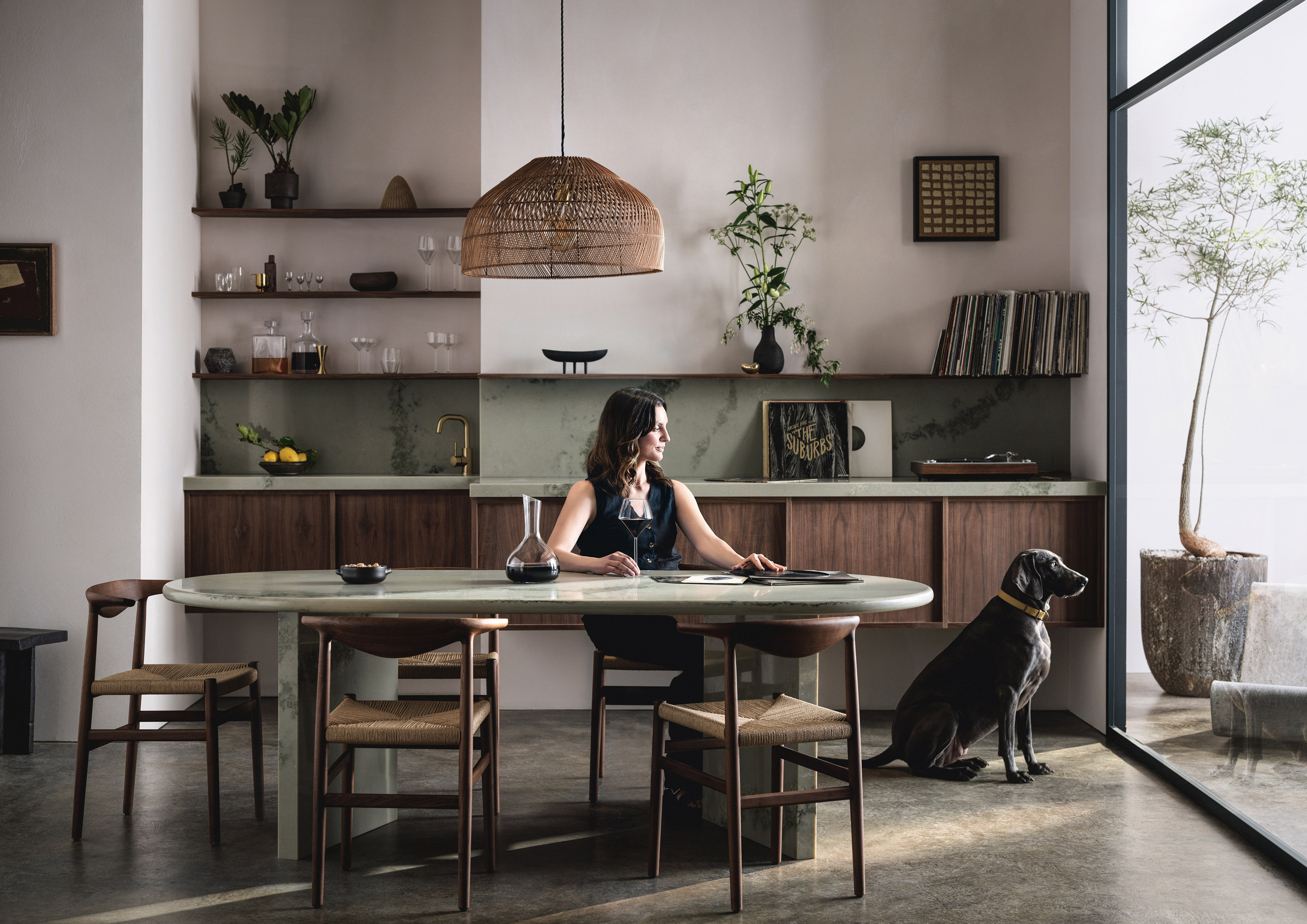
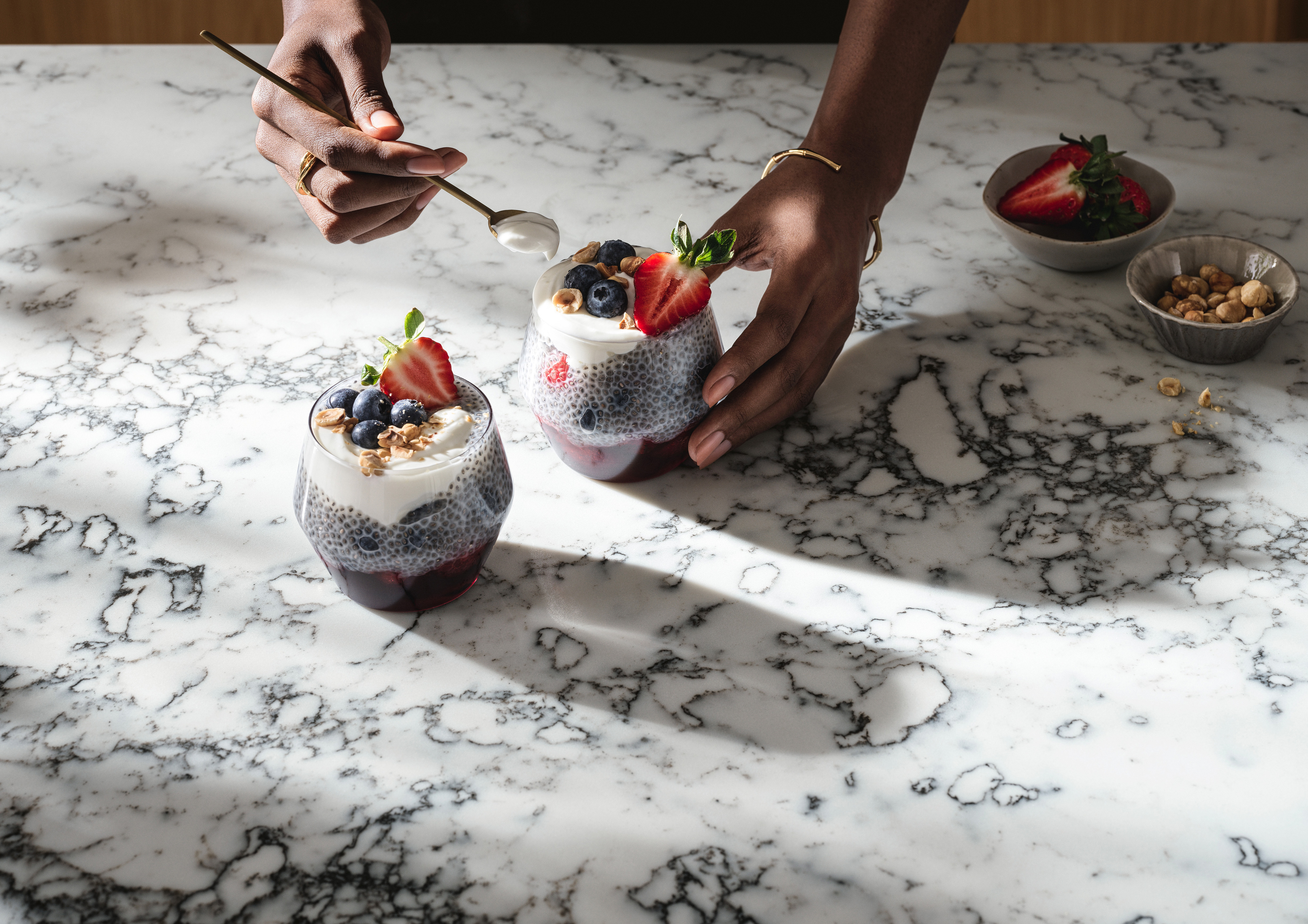
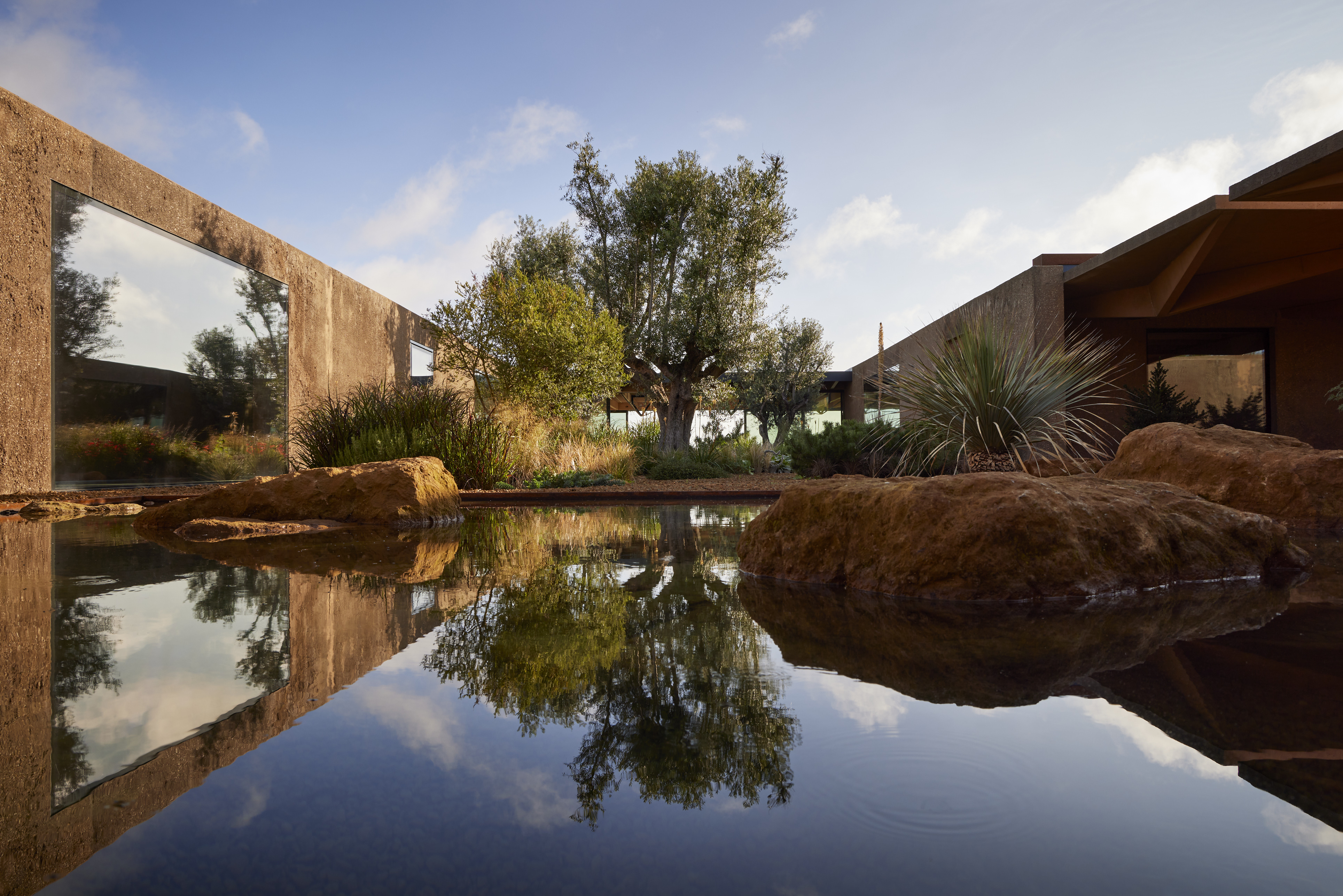
Caesarstone came to Nous with a cultural moment — the widespread rejection of fake imagery, the resurgence of analogue experience, a consumer appetite for something real — and asked us to make their engineered, manufactured surface relevant to it.
Author
Neil Tookey
Creative Director
Caesarstone has been making engineered quartz surfaces since 1987. For most of that history, the category competed on performance, aesthetics, and price. By 2025, those dynamics had shifted significantly. Crystalline silica — a material component in quartz surfaces — had become a serious health and safety issue, particularly in Australia, one of Caesarstone's most important markets, where it was being described in terms usually reserved for asbestos. Fabricators wouldn't work with it. Consumers stopped buying. The entire category was under pressure to find a silica-free alternative, and the race was on.
Icon was Caesarstone's response — their most significant product development in nearly four decades. But the context around it was more than a manufacturing crisis. Across the luxury sector, Nous had been observing the same cultural shift with multiple clients: a genuine reorientation away from performative wealth and experiential excess toward something quieter, more domestic, more private. Post-pandemic consumers, particularly affluent time-poor professionals, were pulling inward. They wanted analogue experiences in an increasingly digital world. They wanted to close the door.
Caesarstone had identified this macro trend and brought it to us as the strategic territory for the Icon launch. Our job was to make it land.
The Challenge
Caesarstone has been making engineered quartz surfaces since 1987. For most of that history, the category competed on performance, aesthetics, and price. By 2025, those dynamics had shifted significantly. Crystalline silica — a material component in quartz surfaces — had become a serious health and safety issue, particularly in Australia, one of Caesarstone's most important markets, where it was being described in terms usually reserved for asbestos. Fabricators wouldn't work with it. Consumers stopped buying. The entire category was under pressure to find a silica-free alternative, and the race was on.
Icon was Caesarstone's response — their most significant product development in nearly four decades. But the context around it was more than a manufacturing crisis. Across the luxury sector, Nous had been observing the same cultural shift with multiple clients: a genuine reorientation away from performative wealth and experiential excess toward something quieter, more domestic, more private. Post-pandemic consumers, particularly affluent time-poor professionals, were pulling inward. They wanted analogue experiences in an increasingly digital world. They wanted to close the door.
The Challenge
Caesarstone has been making engineered quartz surfaces since 1987. For most of that history, the category competed on performance, aesthetics, and price. By 2025, those dynamics had shifted significantly. Crystalline silica — a material component in quartz surfaces — had become a serious health and safety issue, particularly in Australia, one of Caesarstone's most important markets, where it was being described in terms usually reserved for asbestos. Fabricators wouldn't work with it. Consumers stopped buying. The entire category was under pressure to find a silica-free alternative, and the race was on.
Icon was Caesarstone's response — their most significant product development in nearly four decades. But the context around it was more than a manufacturing crisis. Across the luxury sector, Nous had been observing the same cultural shift with multiple clients: a genuine reorientation away from performative wealth and experiential excess toward something quieter, more domestic, more private. Post-pandemic consumers, particularly affluent time-poor professionals, were pulling inward. They wanted analogue experiences in an increasingly digital world. They wanted to close the door.